
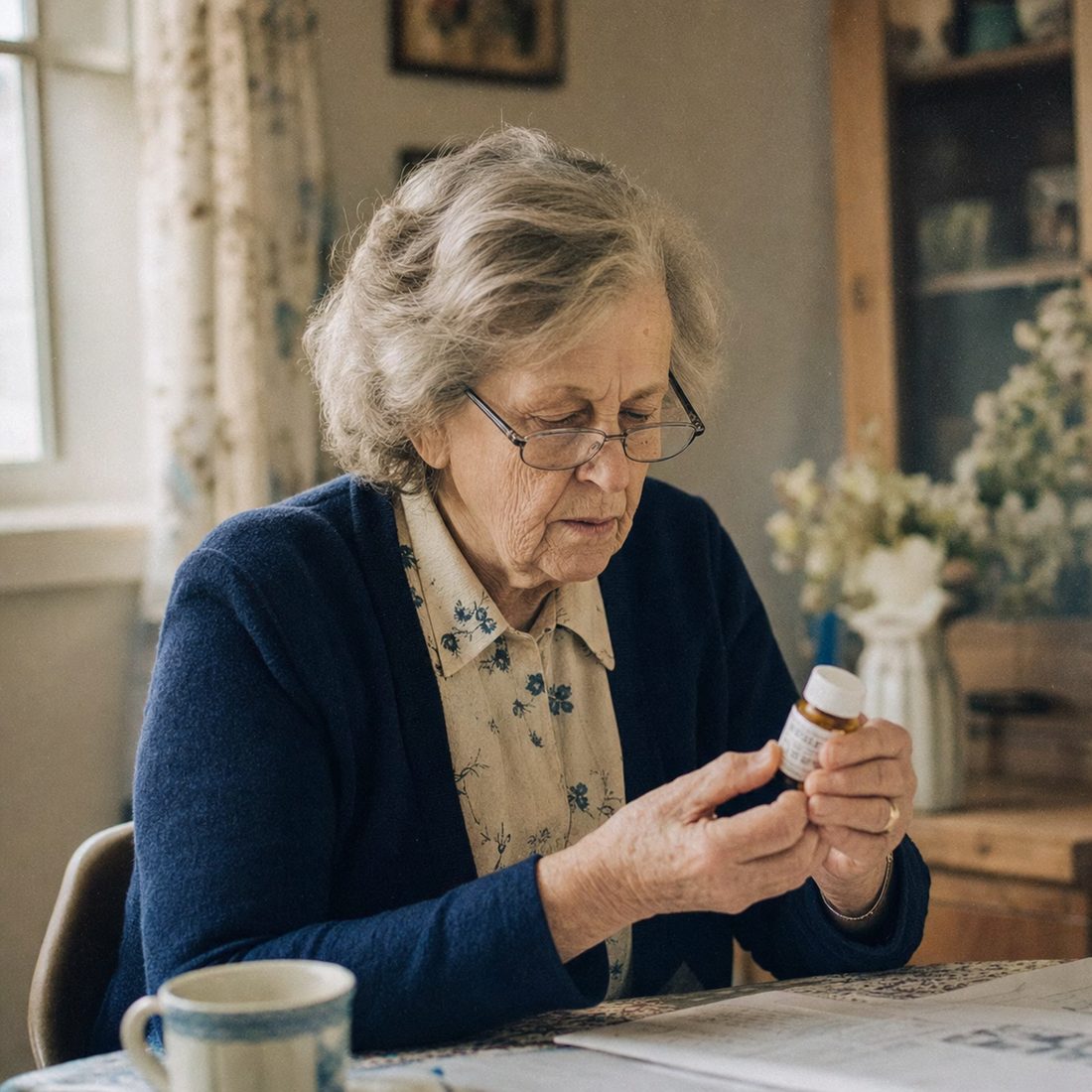
Adverse drug events are among the most common — and most preventable — harms in senior care. As people age, they tend to accumulate prescriptions from multiple providers, each addressing a real need but rarely reviewed together as a whole. The result is a quiet, compounding risk: interactions, duplications, and doses that made sense years ago but no longer fit the person taking them.
The cost shows up in ways that are easy to miss and hard to undo. A medication-related fall becomes a fractured hip. A subtle interaction is mistaken for cognitive decline. An avoidable hospital stay sets off a chain of complications. For families, it often arrives as a sudden crisis. For the healthcare system, it represents enormous spending on harm that careful review could have prevented.
What makes this issue both urgent and hopeful is how much of it is addressable. Regular medication reconciliation, deprescribing where appropriate, and tools like pharmacogenomic testing can dramatically reduce the risk. None of this requires a breakthrough — it requires attention, the right workflows, and a willingness to ask whether every medication on the list still earns its place.
We work with practices to build that attention into the routine of care, rather than leaving it to chance. The goal is simple and deeply personal: fewer seniors harmed by the very medications meant to help them, and more of them feeling like themselves. Behind every data point on adverse drug events is someone's parent, and that is reason enough to take this seriously.
Schedule a complimentary strategy session with Cheryl.
Whether you're exploring a new solution for your patients or thinking through how to bring innovation to your practice — Cheryl would love to hear from you.
Book a Conversation